
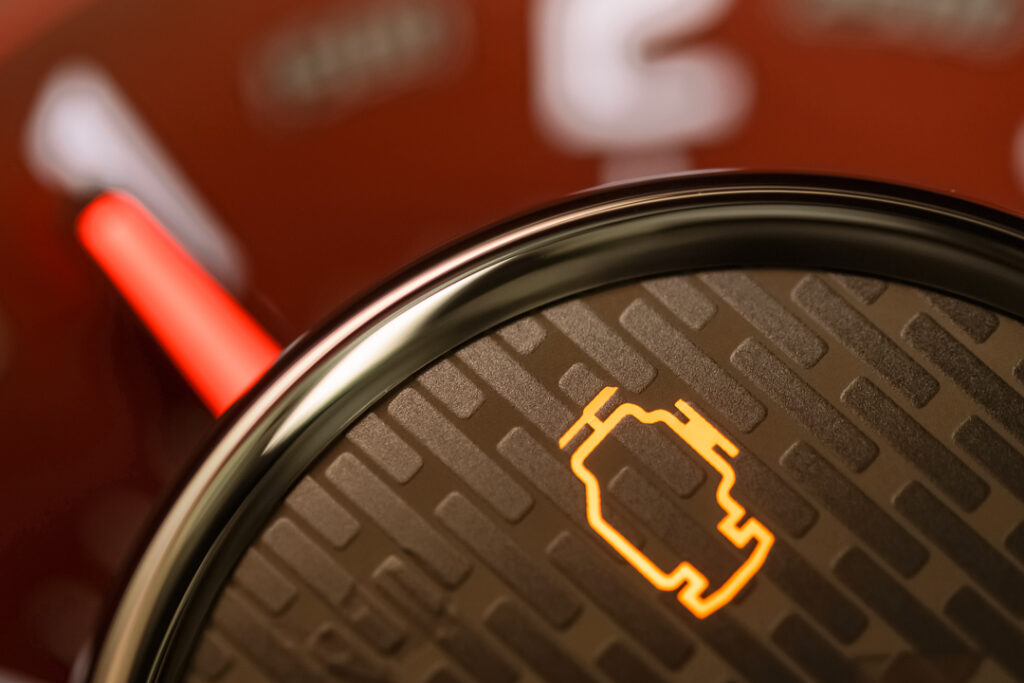
If you are reading this, chances are you have a check engine light on, and you are wondering why that is happening. Well, if you have noticed it popping up during the summer months, heat puts extra stress on a lot of your vehicle’s components, and that stress has a way of triggering warning lights that might not have shown up during cooler weather.
The check engine light does not always mean something catastrophic is wrong, but it does mean your vehicle has detected something that needs to be looked at. In this blog, we are covering the most common reasons your check engine light comes on during summer, what each one means for your vehicle, and when it is okay to keep driving versus when you need to pull over.
What Does the Check Engine Light Actually Mean
A lot of drivers see that little amber light pop on and immediately assume the worst, but the check engine light is really just your vehicle’s way of flagging that something in its system needs a closer look. Your car runs on a network of sensors that constantly monitor engine performance, emissions, and everything in between. When one of those sensors picks up a reading that falls outside of normal range, it stores a fault code and turns the light on. That fault code is what tells a technician where to start looking, which is why getting a diagnostic scan is always step one, before drawing any conclusions about what is actually going on.
Common Reasons Your Check Engine Light Comes On in Summer
A Loose or Damaged Gas Cap
It might seem too simple to be the cause of a dashboard warning light, but a loose or damaged gas cap is one of the most frequent check engine light triggers, and summer heat makes it even more common. Your gas cap does more than just close off the fuel tank; it maintains pressure in your fuel system and keeps vapors from escaping into the air. Heat causes the rubber seal inside the cap to expand and break down faster, and once that seal goes, your vehicle detects the pressure loss and turns the light on. If your check engine light came on not long after your last fill up, start there before assuming anything more serious is going on.
Engine Overheating and Temperature Sensor Failures
Engine overheating not only affects your cooling system but it also puts major stress on sensors throughout your engine that are designed to operate within a specific temperature range. When those sensors get pushed past that range, they can start sending readings that fall outside of what your vehicle expects, and that is enough to trigger a fault code and turn the check engine light on.
Sometimes the sensor itself has been damaged by prolonged heat exposure and is giving bad readings even when engine temperature looks normal. A diagnostic scan is what separates a sensor problem from an actual engine overheating issue, and knowing which one you are dealing with makes a big difference in what happens next.
Engine Misfires and Ignition System Issues
Spark plugs and ignition coils already wear down over time, but summer heat speeds that process up considerably. When these components start to fail, your engine begins to misfire, meaning fuel is not being ignited the way it should be during the combustion cycle. Engine misfires show up as rough idling, hesitation when you press the gas, or a noticeable drop in fuel economy, and they are one of the more common reasons a check engine light comes on during summer. Ignition issues are worth getting looked at quickly because a misfiring engine puts extra strain on other components that are already working hard in the heat.
Oxygen Sensor Failure
Your oxygen sensors keep track of how much unburned oxygen is moving through your exhaust system and use that information to help your engine maintain the right fuel to air mixture. When an oxygen sensor starts to fail, your engine loses that feedback and can end up running with too much or too little fuel, which affects performance and increases emissions. Heat and age are the two biggest contributors to oxygen sensor failure, and summer driving has a way of pushing sensors that are already worn to the point where they stop working accurately. The check engine light will stay on until the sensor is replaced and your engine can get back to running the right mixture.
Battery and Charging System Stress
Heat is harder on a car battery than cold weather is, even though most people think of dead batteries as a winter problem. High temperatures cause the fluid inside the battery to evaporate faster, and that weakens the battery’s ability to hold a charge over time. When your battery or charging system starts struggling, your vehicle’s electrical system can become unstable enough to trigger a check engine light on top of other warning signs.
If your check engine light showed up around the same time your headlights started dimming or your engine seemed slow to crank, getting your battery tested as part of a diagnostic inspection is a smart move heading into the hottest part of summer.
When Is It Safe to Keep Driving
The honest answer is that you will not know for certain until you get a diagnostic scan, but there are some general guidelines that can help you make that call in the moment. A steady check engine light with no other symptoms, no strange smells, no unusual sounds, and no change in how your engine feels or performs usually means you have some time to get it looked at without it being an emergency.
However, a flashing check engine light is a different situation and one you should take seriously right away. Flashing typically means your engine is actively misfiring, and continuing to drive on an active misfire can cause damage to your catalytic converter the longer it goes on. When that light is flashing, the safest move is to pull over and have the vehicle inspected before driving it any further.
Check Engine Light Diagnostics and Engine Repair at Kwik Kar Denton
If your check engine light is on and you are trying to figure out what your vehicle is telling you, getting a diagnostic scan is the only way to know for sure what is going on. Summer brings out a lot of engine warning signs that might have been building up for a while, and catching them before they turn into something bigger is always the better outcome for your engine. Stop by today, and we will get your vehicle scanned and walk you through exactly what we find.

