
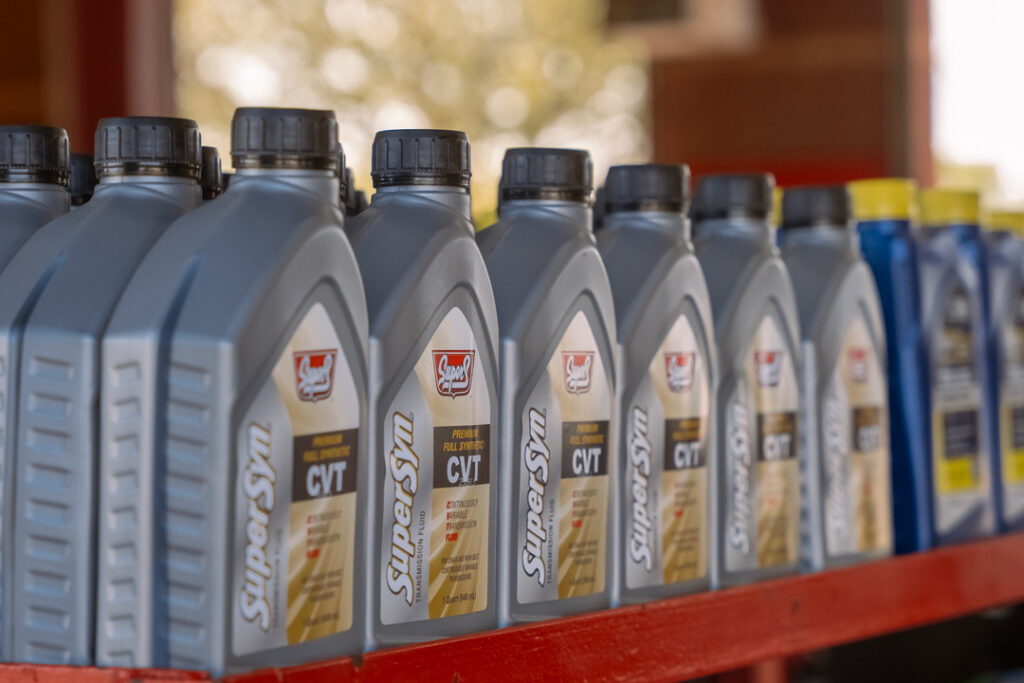
Summer maintenance for your vehicle’s fluids might not be the most exciting part of owning a car, but it’s one of the most important things you can do as the Texas heat takes over. Oil, coolant, transmission fluid, and brake fluid all play a role in keeping your vehicle running the way it should, and all of them are affected by rising temperatures in ways most drivers don’t think about until something goes wrong. The good news is that fluid checks are one of the easier things to stay on top of, and catching a problem early almost always saves you time, money, and stress down the road. In this blog, we’re breaking down what each of these fluids does, how heat impacts them, and why checking them now is one of the smartest things you can do before summer gets into full swing.
Why Your Oil is the First Thing to Check This Summer
When it comes to summer vehicle maintenance, engine oil is the first place to start. Heat causes oil to break down faster than it would in cooler months, which means the oil that was doing its job fine in the spring may not be holding up the same way once temperatures climb. Staying current with routine oil changes keeps your engine lubricated, reduces friction, and helps it manage heat more effectively during the hottest time of year.
Oil change intervals vary depending on the type of oil your vehicle takes. Conventional oil typically needs to be changed every 3,000 to 5,000 miles, while full synthetic oil can often go up to 7,500 to 10,000 miles between changes. Synthetic blend and high mileage oils fall somewhere in between, and each serves a different purpose depending on your vehicle’s age, mileage, and how you drive. If you’re not sure which type your car takes, or when you’re due, that’s a good place to start before summer gets any further along.
Skipping or pushing back oil changes might not feel like a big deal in the moment, but over time, it leads to buildup, increased engine wear, and repairs that cost a lot more than a routine oil change service would have.
What Your Coolant Does For Your Vehicle in the Summer Heat
Most drivers know coolant has something to do with keeping the engine from overheating, but the fluid itself doesn’t get much attention until something goes wrong. Coolant not only absorbs heat, it also contains additives that prevent corrosion inside your engine and keep the fluid from freezing in winter or boiling over in summer. Over time, those additives break down, and when they do, the fluid becomes less effective at doing its job, even if the level looks fine at a glance.
That’s why checking the condition of your coolant matters just as much as checking the level. Old or degraded coolant can look normal in the reservoir but still be past the point where it’s protecting your engine the way it should. A quick inspection can tell you whether your coolant is still in good shape or whether it’s time for a flush and fresh fluid before the heat of summer puts your cooling system to the test.
Transmission Fluid: Easy to Overlook, Expensive to Ignore
Transmission fluid doesn’t get talked about as much as oil or coolant, but it’s just as important, especially in the summer when heat puts extra stress on your transmission. Here’s what staying on top of it actually does for your vehicle:
Benefits of checking your transmission fluid:
- Keeps internal components properly lubricated so gears shift smoothly
- Helps regulate transmission temperature, which is critical in summer heat
- Extends the overall life of your transmission
- Catches early signs of contamination or breakdown before they turn into bigger problems
- Keeps hydraulic pressure consistent so your transmission responds the way it should
When transmission fluid is low, old, or due for a replacement, your vehicle will usually let you know. Here’s what to watch for:
Signs your transmission fluid needs attention:
- Rough, delayed, or sluggish shifting between gears
- Slipping gears or unexpected gear changes while driving
- A burning smell coming from under the hood
- Fluid that appears dark brown or has a burnt odor instead of its normal reddish color
- Unusual whining or grinding sounds when accelerating
Transmission repairs are some of the most expensive your vehicle can need, and a lot of them are preventable with routine fluid checks and changes. If it has been a while since yours was looked at, summer is a good time to get it on your list.
How Rising Temperatures Put Your Brake Fluid and Safety at Risk
Of all the fluids in your vehicle, brake fluid is the one most directly tied to your safety on the road. It’s what transfers the pressure from your foot on the brake pedal to the components that actually stop your car. When brake fluid is in good condition, your brakes respond the way you expect them to. When it’s not, that response time and reliability can be compromised and potentially cause an accident.
What makes summer a concern for brake fluid specifically is heat. Brake fluid absorbs moisture over time, and as that moisture content increases, the boiling point of the fluid drops. In high temperatures, whether from the summer heat or the heat generated by frequent braking, fluid that has too much moisture in it can vaporize. When that happens, you may notice a spongy or soft feeling in the brake pedal, which is a sign that your braking system is not operating the way it should.
For Denton drivers dealing with stop and go traffic, long highway stretches, and triple digit temperatures, that combination of heat and high moisture brake fluid is worth paying attention to. If your brake fluid is dark in color, hasn’t been serviced in two to three years, or you’ve noticed any change in how your brakes feel, getting it inspected for the summer is the right call. Fresh brake fluid restores the boiling point, supports consistent braking performance, and keeps one of the most important safety systems in your vehicle working the way it’s supposed to.
Stay Ahead of Summer with Preventative Maintenance
The best thing you can do for your vehicle this summer is not to wait for something to go wrong. Checking your oil, coolant, transmission fluid, and brake fluid before the heat peaks is the kind of preventative maintenance that keeps small issues from turning into costly repairs. A routine fluid inspection does not take long, but the protection it provides can make a significant difference in how your vehicle performs all season long.
If you are not sure where your fluids stand or when they were last serviced, the team at Kwik Kar Denton is here to help. From oil changes and fluid flushes to full vehicle inspections, we make it easy to stay on top of your vehicle maintenance so you can drive through summer with confidence. Stop by our Denton or Paloma Creek locations or give us a call to schedule your next service appointment.

