Recognizing the Warning Signs of Brake Problems

Brakes are arguably the most critical safety feature of any vehicle. Ensuring not only your safety but the safety of others on the road. However, like all components in your vehicle, brakes can wear down over time and develop problems that compromise their effectiveness. As a responsible driver, it’s crucial to recognize and seek attention to the warning signs of brake problems early on to prevent accidents and costly repairs.

How Brake Warning Signs Can Affect Steering

When braking, vibrations felt through the brake pedal or steering wheel can indicate several underlying issues within the braking system. Warped brake rotors, uneven brake pad wear, or brake caliper issues are common causes of these vibrations. As the brake pads make contact with the rotating brake rotors, irregularities in their surface can cause the brake pedal or steering wheel to vibrate. These vibrations can vary in intensity and frequency depending on the severity of the issue and the speed at which the vehicle is traveling. While minor vibrations may only cause discomfort to the driver, more severe vibrations can lead to reduced braking performance and increased stopping distances. 

Another common issue arising from brake problems is the vehicle pulling to one side when braking. This occurs when there is an imbalance in braking force between the left and right sides of the vehicle. Uneven brake pad wear, a stuck brake caliper, or issues with the brake fluid distribution can contribute to this problem. As a result, when the brakes are applied, the side with greater braking force slows down more quickly, causing the vehicle to veer in that direction. Pulling to one side when braking not only affects vehicle stability and control but increases the risk of accidents.

Dashboard Brake Warning Signs

Illuminated brake lights on your dashboard are crucial indicators of potential brake problems. There are many brake warning signs these lights can represent, signaling various issues with your braking system. If any of these brake light signs illuminate it may be time to bring your vehicle in for brake maintenance. Here are the most common related brake problems and why it’s crucial to fix.

When the ABS Light Signals Brake System Issues

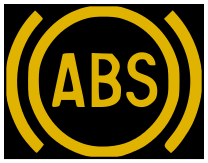
ABS Light

There are a few common causes for brake problems to cause an ABS light to come on. The main causes are faulty wheel speed sensors or a blown fuse. If you notice the ABS light illuminating, it’s essential to have these issues checked out quickly, to get a proper diagnosis and address the problem effectively. 

The most common cause of an illuminated ABS light is a faulty wheel speed sensor. The sensors monitor the speed of each wheel and provide data to the ABS module, allowing it to modulate brake pressure accordingly to prevent wheel lock-up during braking. If a wheel speed sensor is damaged or malfunctioning, it can’t accurately detect wheel speed variations. This disrupts the effectiveness of the ABS system and can affect vehicle stability and control, especially in slippery or emergency braking situations. This is the most serious ABS problem to be attended to by a professional mechanic as avoiding this could lead to an accident. 

A blown fuse can also trigger the ABS light. This is a protective device in the vehicle’s electrical system that interrupts the flow of electricity when the circuit it protects becomes overloaded. In the ABS system, there are fuses dedicated to providing power to components such as the ABS module, wheel speed sensors, and other related systems. If one of these fuses blows due to a power surge, short circuit, or other electrical fault, it can disrupt the flow of electricity. Leading the ABS module or other ABS components, to system malfunction. This can result in the ABS light coming on as a brake warning sign/indicator.

What the Brake Service Light Means for Your Brakes

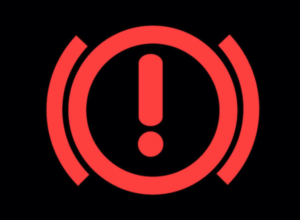
brake service light

The brake service light commonly illuminates due to low brake fluid levels, which are vital for transmitting force from the brake pedal to the brakes, ensuring the vehicle’s braking power. Low brake fluid levels often indicate a potential leak within the closed hydraulic system, compromising braking ability. Leaks in various brake system components such as brake lines, hoses, calipers, or wheel cylinders can lead to a loss of brake fluid, reducing hydraulic pressure. Whether due to overlooked brake maintenance, environmental factors, or brake pad wear, addressing low brake fluid promptly is crucial to prevent brake failure and maintain safe driving conditions. 

Another cause for the brake service light to go off is worn brake pads. As brake pads wear down over time and use, there’s progressively less material available to create friction and slow down the vehicle effectively. This reduction in friction material not only compromises the braking performance but also increases stopping distances, potentially putting the driver and passengers at risk. Moreover, worn brake pads can lead to increased wear and damage to other critical components of the braking system, such as brake rotors. If not replaced promptly, the metal backing of the worn pads can come into direct contact with the rotors, causing grooves, scoring, or even warping. This not only compromises braking system efficiency but also leads to costly repairs or replacements of both brake pads and rotors.

Why Your Parking Brake Light Is On

parking brake light

Forgetting to release the parking brake fully before driving can activate the brake warning light on the dashboard. This brake warning sign serves as a crucial reminder to drivers to ensure that the parking brake is fully disengaged to prevent potential damage to the braking system. When the parking brake is engaged while driving, it can cause excessive wear on brake components, such as brake pads and rotors, leading to decreased braking performance and potentially costly brake maintenance repairs. Therefore, it’s essential for drivers to always double-check that the parking brake is fully released before setting off.

Squeaky Brakes? Here’s What Could Be Going On

The next most obvious brake warning sign is squeaky brakes. Squealing or squeaky brake warning signs show potential issues with the braking system. When applying the brakes, if you hear high-pitched noises like squeaking, squealing, or grinding, it often indicates worn brake pads or damaged brake components. Brake pads are equipped with wear indicators that produce these noises when the pads are nearing the end of their lifespan. Ignoring these sounds can lead to further damage to the brake components, such as scoring or warping of brake rotors, which can escalate repair costs and compromise braking performance.

Another cause for brake problems could be the presence of foreign objects or debris lodged between the brake pads and rotors can also cause similar noises. Regardless of the reason, squeaky or squealing brakes should prompt immediate inspection and brake maintenance to help with optimal braking efficiency and safety on the road.

Upkeep with Regular Brake Maintenance 

From vibrations and steering issues to illuminated brake warning lights and squeaky brakes, each signal serves as a crucial indicator of potential brake problems within the braking system. By promptly addressing these brake warning signs and seeking professional assistance from trusted experts like Kwik Kar, drivers can mitigate the risk of accidents, prevent costly repairs, and uphold the safety of themselves and others on the road. 

Remember, when it comes to brake maintenance, it’s always better to be proactive rather than reactive. Not only should you worry about servicing brake problems, but it’s also important to go ahead and get a proper maintenance inspection for any other unknown issues.

Why You Should Trust Professionals for Vehicle Maintenance

Have you ever been tempted to roll up your sleeves and tackle vehicle maintenance tasks on your own? It’s a tempting proposition because of saving money, learning new skills, and feeling a sense of accomplishment. However, this path can lead to unexpected challenges. From accidentally performing incorrect maintenance to unknowingly damaging critical components. The risks associated with independent vehicle maintenance are real and can lead to expensive costs to repair mistakes. 

In this blog, we’ll explain why it’s better to trust a certified mechanic for your car repairs and maintenance rather than tackling it yourself.

The Value of Certified Automotive Expertise

At Kwik Kar, our commitment to excellence in automotive service is reflected by our team of ASE certified mechanics. With this prestigious certification, our technicians demonstrate their proficiency through rigorous testing and continuous education, to guarantee that they are equipped with the latest industry knowledge and best practices for any vehicle type. 

Beyond the certification, our mechanics have years of hands-on experience, honing their skills to expertly address any vehicle-related concerns that come their way in a timely manner. Our mechanics have developed a sharp eye for spotting potential issues that may not be covered in a standard tutorial video. From subtle signs like vibrations to unusual sounds, our experts can quickly identify problems that might go unnoticed by those without proper experience. This keen attention to detail allows us to provide proactive recommendations and address additional concerns promptly, so your vehicle stays in top shape. 

Trust is the foundation of our relationship with our customers. Our team of mechanics understand the importance of transparent communication when it comes to your vehicle. From the moment you bring your car to us, we prioritize open and honest dialogue, to make sure you’re fully informed about your vehicle’s condition, the necessary repairs, and associated costs.

Advanced Diagnostics Tools for Effective Vehicle Maintenance

Diagnostic equipment is designed to efficiently identify potential problems within your vehicle’s systems, through thorough assessments. From computerized engine analysis to precise scanning tools, we utilize a range of equipment to provide comprehensive evaluations for customers. This technology not only reduces wait times for diagnoses, but also allows  technicians to promptly proceed with the necessary repairs or vehicle maintenance tasks.

With these advanced technologies, professionals can provide expedited service without compromising accuracy. These techniques help automotive experts stay at the forefront of service, so that customers receive the highest standard of care for their vehicle maintenance.

Tailored Approaches to Vehicle Maintenance

Tailored solutions are central to an effective approach to vehicle maintenance, where professionals recognize that every vehicle is unique and requires personalized attention. Experienced technicians carefully assess each vehicle’s specific needs, taking into account factors such as its make, model, and usage or driving patterns. This evaluated approach allows for the provision of customized maintenance plans that comprehensively address the vehicle’s requirements and vehicle maintenance timelines for optimal performance and vehicle longevity.The Kwik Kar Difference

Experience the difference and save yourself both time and money with convenient automotive services. The team of skilled professionals is committed to providing you with efficient and reliable auto solutions fit to your needs. Whether you require routine oil change maintenance or more extensive auto repairs, trust the professionals to get the job done right the first time. We understand the importance of your vehicle’s longevity and our Kwik Kar mechanics strive to exceed your expectations with every service. Thank you for choosing and trusting us with your vehicle!

The Risks of DIY Vehicle Maintenance

In recent years, many car owners have turned to YouTube tutorials and DIY maintenance guides to save on repair costs and tackle basic vehicle upkeep on their own. While it’s tempting to handle repairs yourself, it’s important to remember that even the best videos and guides can’t replace the expertise and experience of a certified mechanic. While you may feel confident following along with a step-by-step tutorial, the reality is that DIY vehicle maintenance can have unintended consequences, leading to more harm than good. Let’s break down some of the key risks involved with DIY car maintenance.

  • Inability to Identify Hidden Issues: DIY maintenance often focuses on obvious problems, but many vehicle issues are hidden beneath the surface. Mechanics are trained to spot subtle signs of damage that might go unnoticed by someone without the proper experience or diagnostic tools.
  • Improper Tools and Equipment: Using the wrong tools or equipment can make maintenance tasks harder, more time-consuming, and, in some cases, damaging to your vehicle. Professional mechanics use advanced tools that allow them to complete repairs safely and effectively, which might not be accessible to the average DIYer.
  • Risk of Further Damage: Even if you follow a tutorial to the letter, there’s still a risk of causing unintentional damage. For example, improper installation of parts or using incorrect fluids can result in bigger issues, leading to costly repairs that could have been avoided with a professional’s help.
  • Potential Warranty Violations
    If your vehicle is still under warranty, performing maintenance or repairs yourself might void it. Manufacturers often require specific maintenance practices to be followed, and skipping steps or using aftermarket parts could impact your warranty.
  • Time and Effort
    DIY maintenance can take a lot of time, especially if you’re unfamiliar with the task. What seems like a simple fix can quickly turn into an all-day job, leaving you frustrated and without transportation.
  • Safety Risks
    Vehicle repairs, especially those involving electrical systems, fluids, or brakes, can be dangerous if done improperly. A lack of proper training and knowledge can lead to accidents that might harm you, others, or your vehicle.

The Kwik Kar Difference

Experience the difference and save yourself both time and money with convenient services. The team of skilled professionals is committed to providing you with efficient and reliable automotive solutions tailored to your needs. Whether you require routine maintenance or more extensive repairs, trust the professionals to get the job done right the first time. Thank you for choosing and trusting us!

Essential Car Care: 10 Routine Maintenance Tasks Every Driver Should Know

In the realm of automotive ownership, knowledge truly is power. Regardless of your experience behind the wheel, grasping the fundamentals of routine car  maintenance should be a priority for ensuring your vehicle operates smoothly and safely over time. From monitoring fluid levels to maintaining tire pressure, mastering these key car care tasks not only optimizes performance but also provides crucial protection against unforeseen breakdowns on the road.

Why Air Filter Replacement is Crucial for Your Car’s Health

The air filter prevents dirt and debris from entering the engine, ensuring clean airflow for efficient combustion. Over time, the filter can become clogged, leading to reduced fuel economy and horsepower. By replacing the air filter every 12,000 to 15,000 miles or as recommended in your owner’s manual, you can optimize engine performance and extend the life of critical components. Don’t overlook this simple maintenance task; it’s key to keeping your car running smoothly and saving on repair costs.

Understanding Your Car’s Battery Life

Your vehicle’s battery is a critical component, providing the power needed to start the engine and operate electrical systems. Over time, batteries degrade and lose their ability to hold a charge. 

Regular checks and maintenance can help prevent unexpected failures. Our experts inspect the battery terminals for corrosion and ensure they are securely connected. If your battery is several years old or showing signs of weakness, it may be time for a battery replacement.

Proper Wiper Blade Care for Your Vehicle

As we transition into spring and rainy weather, making sure your wiper blades are in the best condition is so important for safe driving. Your wiper blades are essential for maintaining visibility and safety in adverse weather conditions. Over time, wiper blades can wear out, leading to streaking, smudging, and reduced effectiveness for clearing your view of the road. 

Check for signs of wear, such as cracks or tears in the rubber, and get them replaced when necessary. Cleaning the wiper blades regularly to remove dirt and debris that can impair their function. By staying proactive with wiper blade care you can maintain clear visibility on the road and enhance driving safety during challenging weather conditions.

Preventative Engine Diagnostics

Regularly bringing your car in for engine diagnostic performance checks every few months is important for catching any potential issues early. At Kwik Kar, we recommend scheduling routine diagnostic appointments to keep your engine running smoothly and reliably. Our technicians use advanced tools and techniques to thoroughly assess your engine’s performance and identify any underlying issues before they escalate. By staying proactive with engine diagnostics, you can avoid costly repairs.

Effective Tire Care for Vehicle Safety

Tire care is significant for both safety and performance. Regularly inspecting tire pressure, tread depth, and overall condition can help prevent blowouts and ensure optimal traction on the road. Properly inflated tires also contribute to better fuel efficiency. Maintaining proper wheel alignment and rotating tires according to manufacturer recommendations can help extend tire lifespan, saving you future costs.

Ensure Safety with Proper Light and Signal Care

Lights and signals are crucial for visibility and safety on the road. Regularly check all exterior lights, including headlights, taillights, brake lights, and turn signals, to ensure they are functioning correctly. If you notice any issues such as burnt-out bulbs or flickering lights, bring your vehicle to Kwik Kar for a thorough inspection and replacement. Our skilled technicians can diagnose and repair any wiring issues that may be affecting your lights, ensuring optimal visibility and compliance with road safety regulations.

Don’t Forget About An Oil Change

Knowing when it’s time for an oil change is important for your vehicle’s health. Keep an eye on your odometer and follow your vehicles manual, typically every 5,000 to 7,500 miles. You can also check oil levels at home using the dipstick. If it’s dark, gritty, or below the recommended level, it’s time for a change. At Kwik Kar, we provide fast and reliable oil change services. Don’t wait for engine problems schedule your oil change when it’s time!

Brake Safety Maintenance To Look Out For

Regularly inspecting brake pads, rotors, and brake fluid levels can help with optimal braking efficiency and responsiveness. Addressing any signs of brake wear or abnormalities, such as squealing noises or vibrations, by a professional can prevent brake failure and potential accidents. Scheduling routine brake inspections with Kwik Kar as part of your vehicle’s maintenance schedule can help identify and address issues before they escalate into more significant problems.

Preventing Power Steering Failures with Regular Maintenance

If you notice any stiffness or difficulty turning the wheel, it could be a sign of low power steering fluid or other issues. You can check the power steering fluid level yourself by locating the reservoir and checking the dipstick or fluid level markings. If the fluid is low, it may indicate a leak or other problem that requires attention. Bringing your vehicle into an expert technician can provide proper diagnosis and address any issues, to keep your vehicle’s steering responsive and reliable.

The Role State Inspections Has On Vehicle Safety

State inspections are a legal requirement in many jurisdictions and are essential for ensuring your vehicle meets safety and emissions standards. These inspections typically cover various components, including brakes, lights, tires, and emissions systems, to ensure your vehicle is safe to operate on public roads. 

Scheduling regular state inspections according to local regulations can help identify and address any potential safety or compliance issues, keeping your vehicle roadworthy and legal. Passing state inspections may be necessary to renew your vehicle registration, so staying current with these inspections is crucial for maintaining your driving privileges. Kwik Kar provides fast and convenient servicing for these state requirements.

Excellent Service & Even Better Mechanics

At Kwik Kar, we understand the importance of routine maintenance in preserving the longevity and performance of your vehicle. Our team of skilled technicians is committed to providing top-notch service, whether you need an oil change, brake inspection, or state inspection. We ensure thorough and efficient service every time you visit.